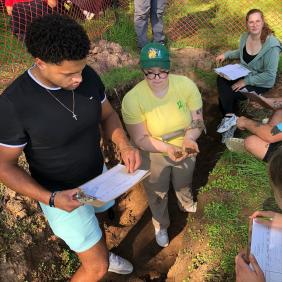
Make our world healthy and more sustainable with a career in environmental science. Our environmental science program will give you the scientific expertise and hands-on skills needed to protect our planet’s soil, water and natural resources.
Why Study Environmental Science at DelVal?
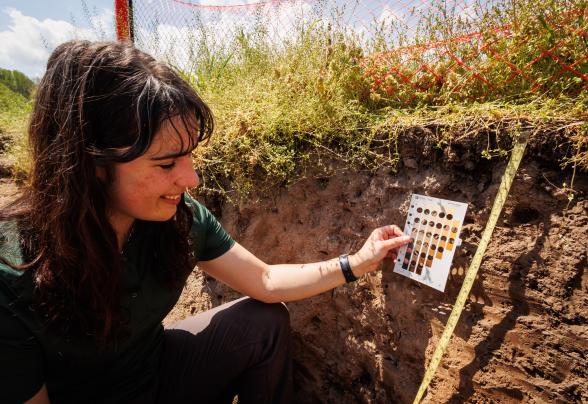
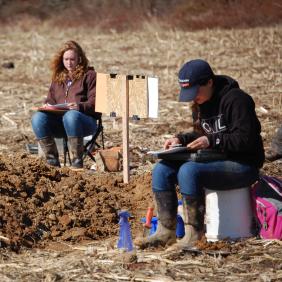
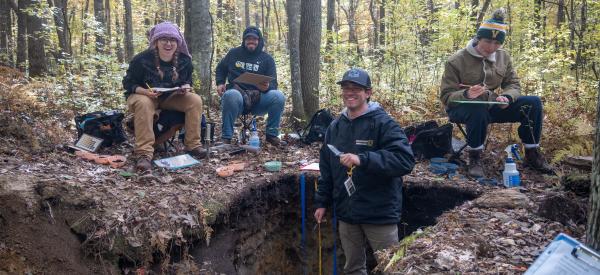
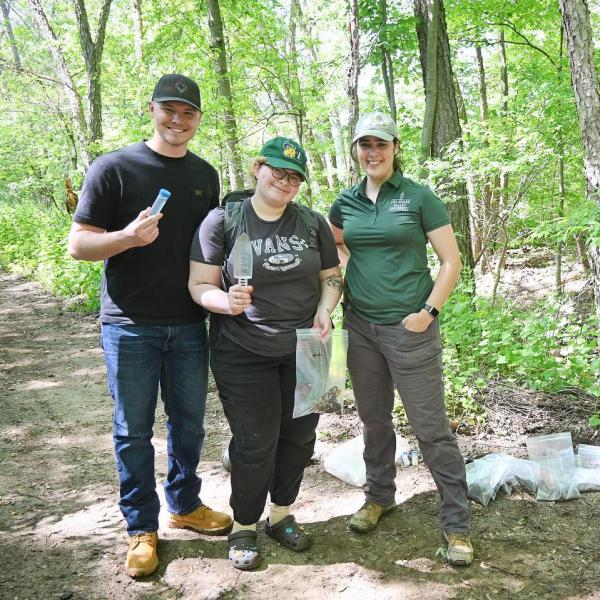
- You will get your hands dirty and your feet wet as you explore DelVal’s 1,000 acres of living laboratories including ponds, streams, forests, agricultural fields and compost piles.
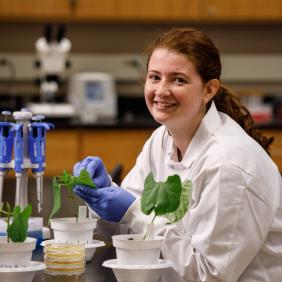
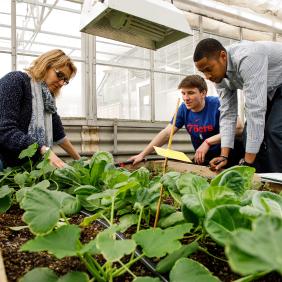
- Courses incorporate field trips, expert guest speakers and scientific experiments to bring learning beyond the classroom.
- DelVal’s Experience360 Program, based on science with practice, or learning by doing, provides the scientific background plus hands-on experience in the field that will prepare you for success in your career path.
- You will have access to valuable internship opportunities with regional, state and federal agencies, private companies in environmental remediation and more.
- You can specialize in environmental health or soils and land use.
- These experiences will help you discover your niche withing environmental science and prepare to address critical global challenges such as clean water, healthy soil and the wise use of land resources.
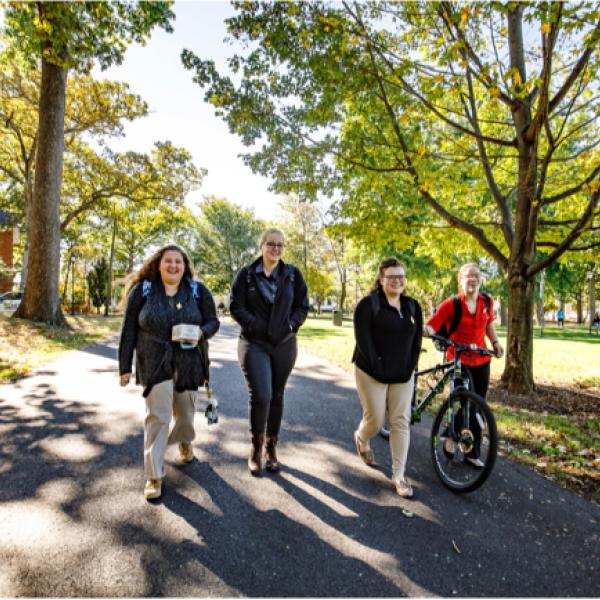


October 17, 2026: South Campus Tours for Animal/Ag Majors
October 24, 2026: Full Open House for All Majors
Environmental Science At-A-Glance
Delaware Valley University can prepare you for a large variety of careers in environmental science with our diverse course offerings
Sample Courses:
- Soil Science
- Land surveying
- Watershed management
- Geographical Information Systems
- Soil chemistry
- Environmental Geology
- Environmental Remediation
- Hydrogeology
- Chemistry
- Limnology
- Toxicology
Possible Minors
- Chemistry
- Horticulture
- Sustainable Agriculture Systems
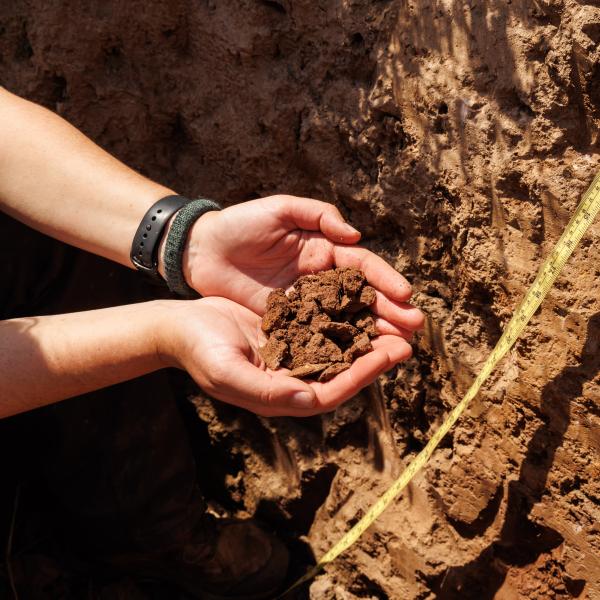
The Soils & Land Use specialization focuses on the critical intersection of soil science, land management and sustainable resource use. Soil is the foundation of life, providing the basis for agricultural systems, water filtration and the stable development of our communities. In this program, students explore how soil chemistry, geology and hydrology interact to influence how land can be used effectively and responsibly. You will gain hands-on experience evaluating soil properties, soil health and remediation needs for different land-use potentials. These skills and knowledge will prepare you to solve real-world challenges such as erosion, nutrient loss and ecosystem degradation.
The Environmental Health specialization emphasizes the relationship between environmental systems, ecosystem function and the subsequent impacts on human health. Through coursework in toxicology, environmental remediation, watershed management and more, students explore how pollutants and ecological changes move through ecosystems. You will gain hands-on experience evaluating environmental quality, assessing toxicological risks and navigating environmental law to protect both natural habitats and the communities that depend on them. These skills and experiences will prepare you to solve real-world challenges such as industrial contamination, habitat restoration and regulatory compliance.
Career Paths for Soils and Land Use Specialization
- Agricultural Conservation Manager: Advising producers on nutrient management and sustainable land stewardship.
- Environmental Consultant: Helping developers and agencies navigate land-use regulations
- Land Conservationist: Protecting soil and water health for state or national agencies like the USDA Natural Resources Conservation Service or EPA.
- Restoration Ecologist: Designing projects to heal damaged landscapes and return them to productive use.
Career Paths for Environmental Health Specialization
- Environmental Health Officer: Working for agencies such as the U.S. Environmental Protection Agency (EPA) or Pennsylvania Department of Environmental Protection to enforce environmental and public health regulations.
- Remediation Specialist: Designing and overseeing the cleanup of contaminated sites.
- Watershed Manager: Protecting regional water resources and ensuring the health of aquatic ecosystems.
- Environmental Consultant: Advising organizations on industrial hygiene, chemical exposure and environmental impact mitigation.
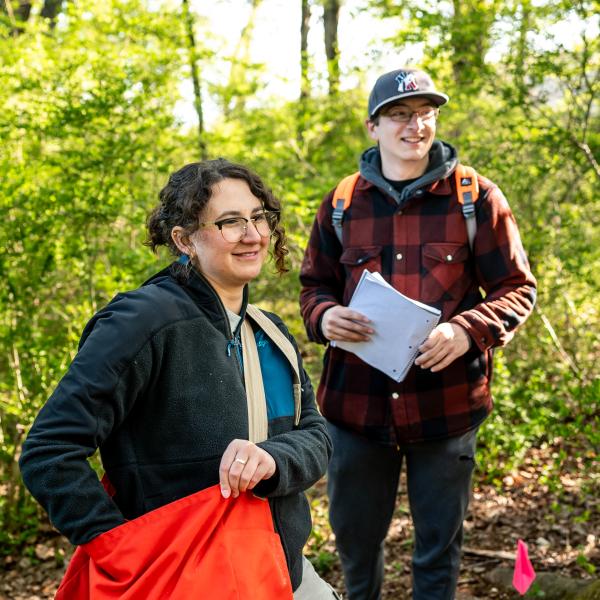




Much More Than an Internship Program
The Experience360 Program gives you the opportunity to apply classroom lessons to real-world experiences in the field of environmental science. In addition to valuable internships, E360 includes career exploration including hiring trends and salaries, opportunities for student research, week-long study abroad, leadership development and community service.
The DelVal Soil Judging Team
The DelVal Soil Judging Team travels across the country, getting into soil pits and learning firsthand how those soils are managed and used. Students learn how to determine a soil’s history by its layers and properties, all while figuring out if a piece of land is suitable for everything from growing corn to building a basement. If you're looking to build your field skills, boost your resume and join a crew of friends who don't mind a little mud on their boots, this is the team for you! All students are welcome regardless of major or class standing.
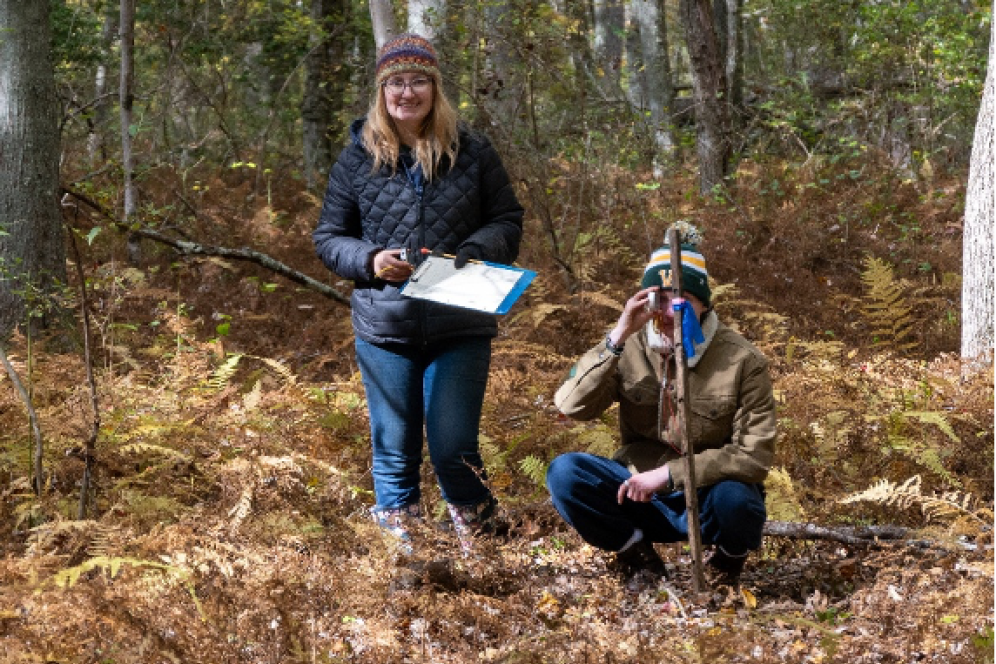
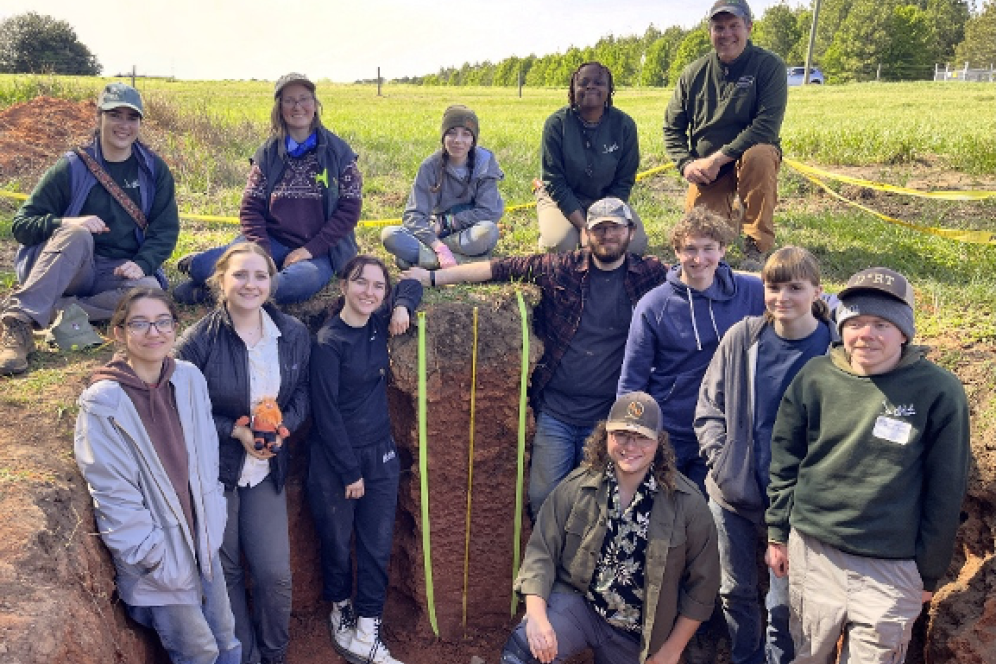
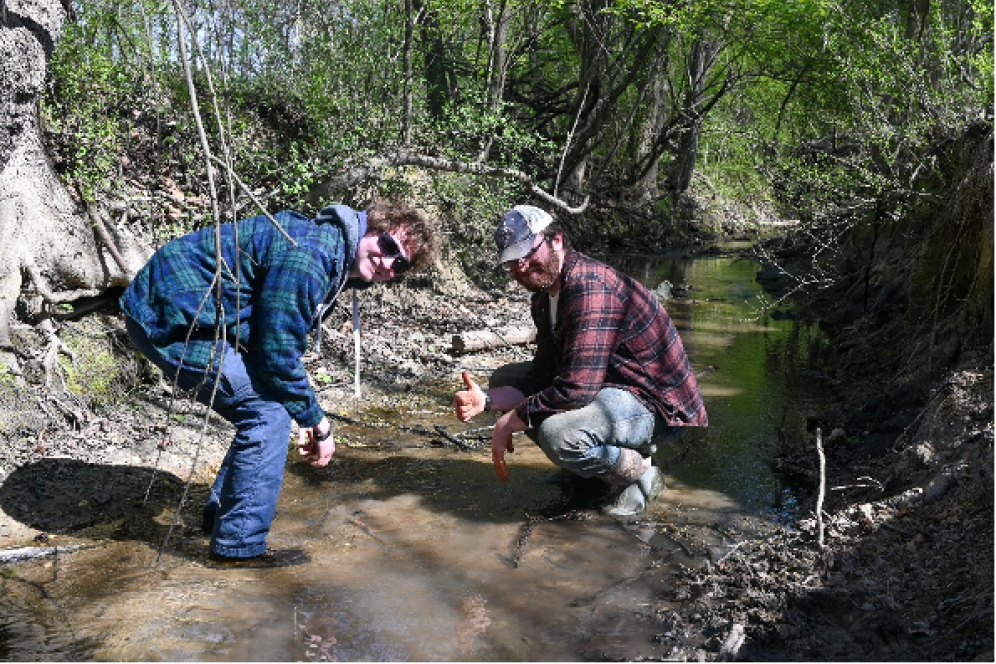
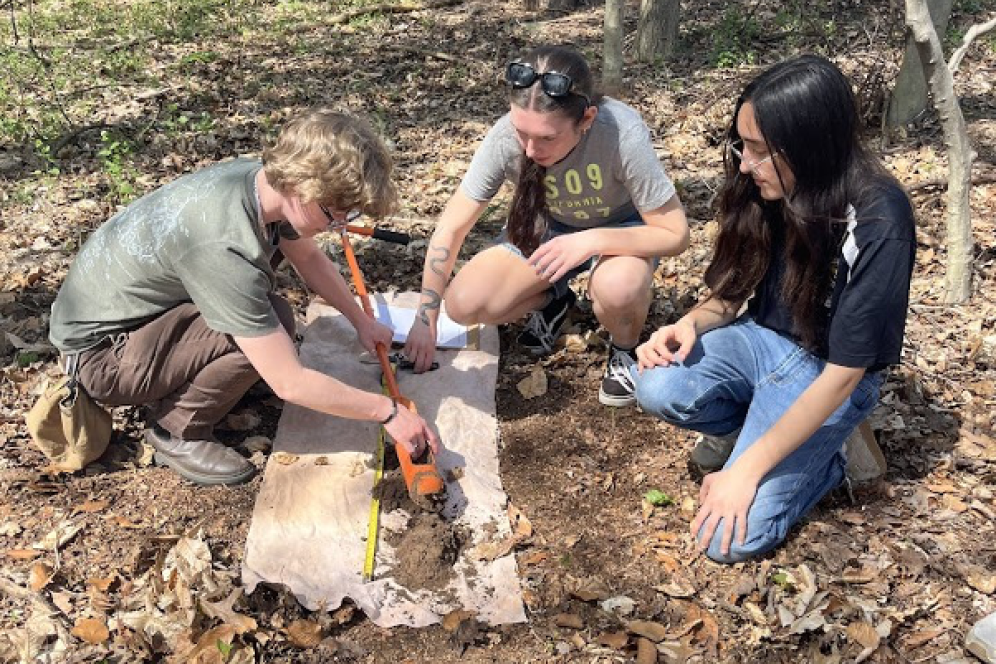
My favorite hands-on class experience was getting into a soil pit each week and learning how soil scientists describe soil.
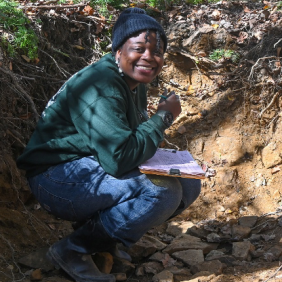
Are you a transfer student? The National Science Foundation (NSF) Scholarships in Science, Technology, Engineering, and Mathematics (S-STEM) Program is a federally funded scholarship program designed for transfer students with financial need who are majoring in biology, chemistry, conservation and wildlife management, environmental science, or horticulture.
- Soil Judging
- Horticulture Society
- Floral Society
- Soils Club
POV of Environmental Science Students